
Adventures into creativity
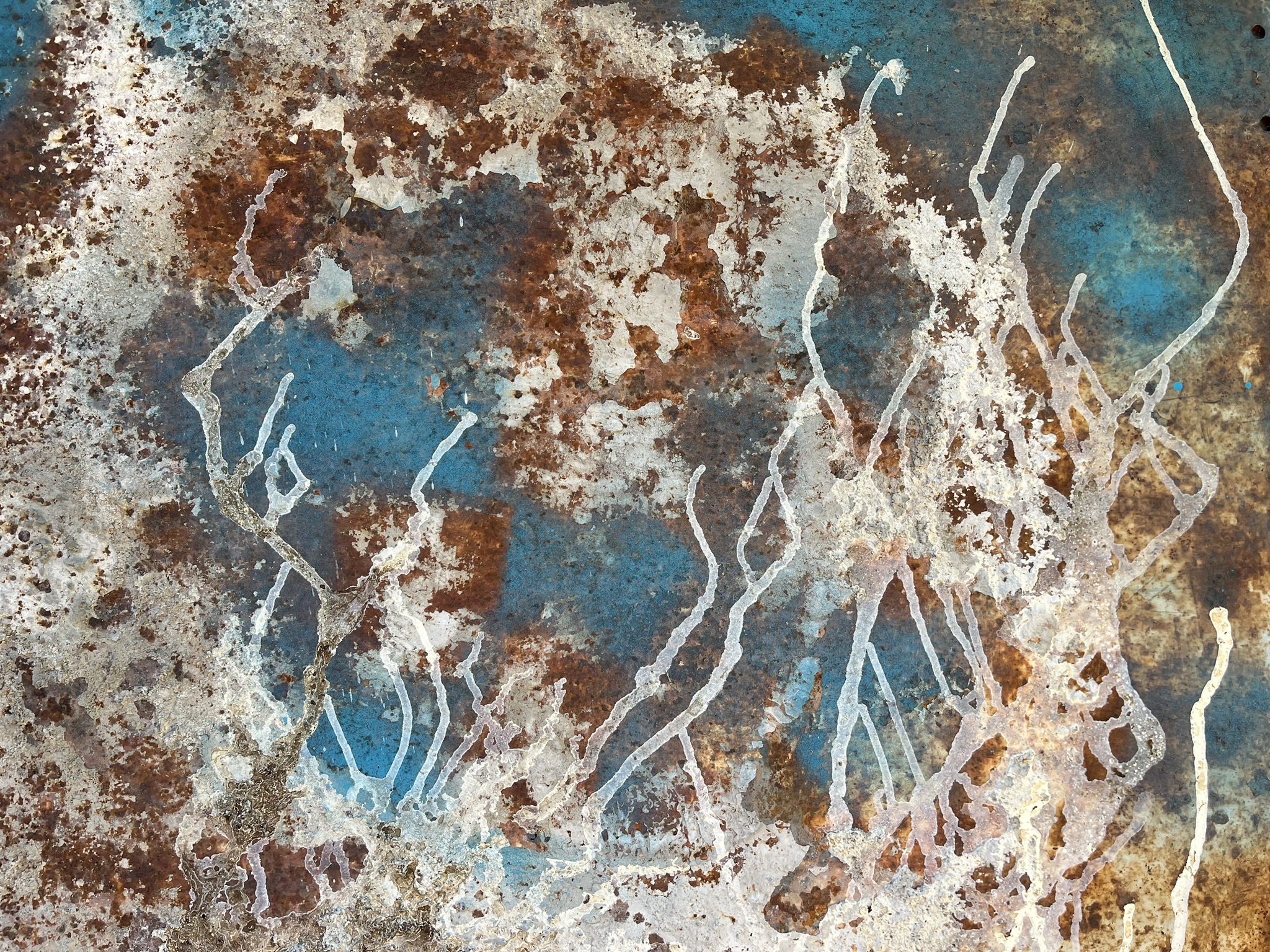

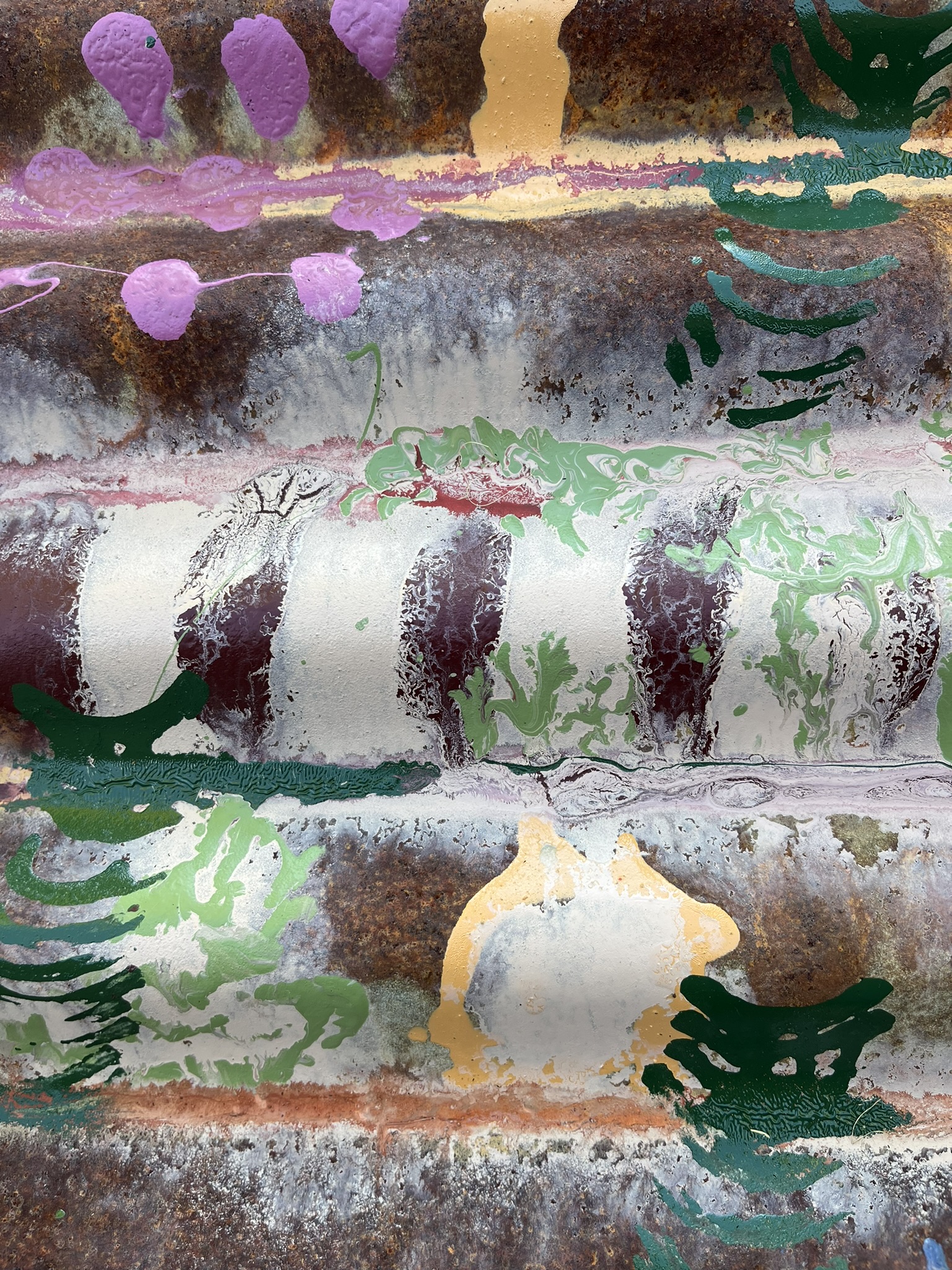


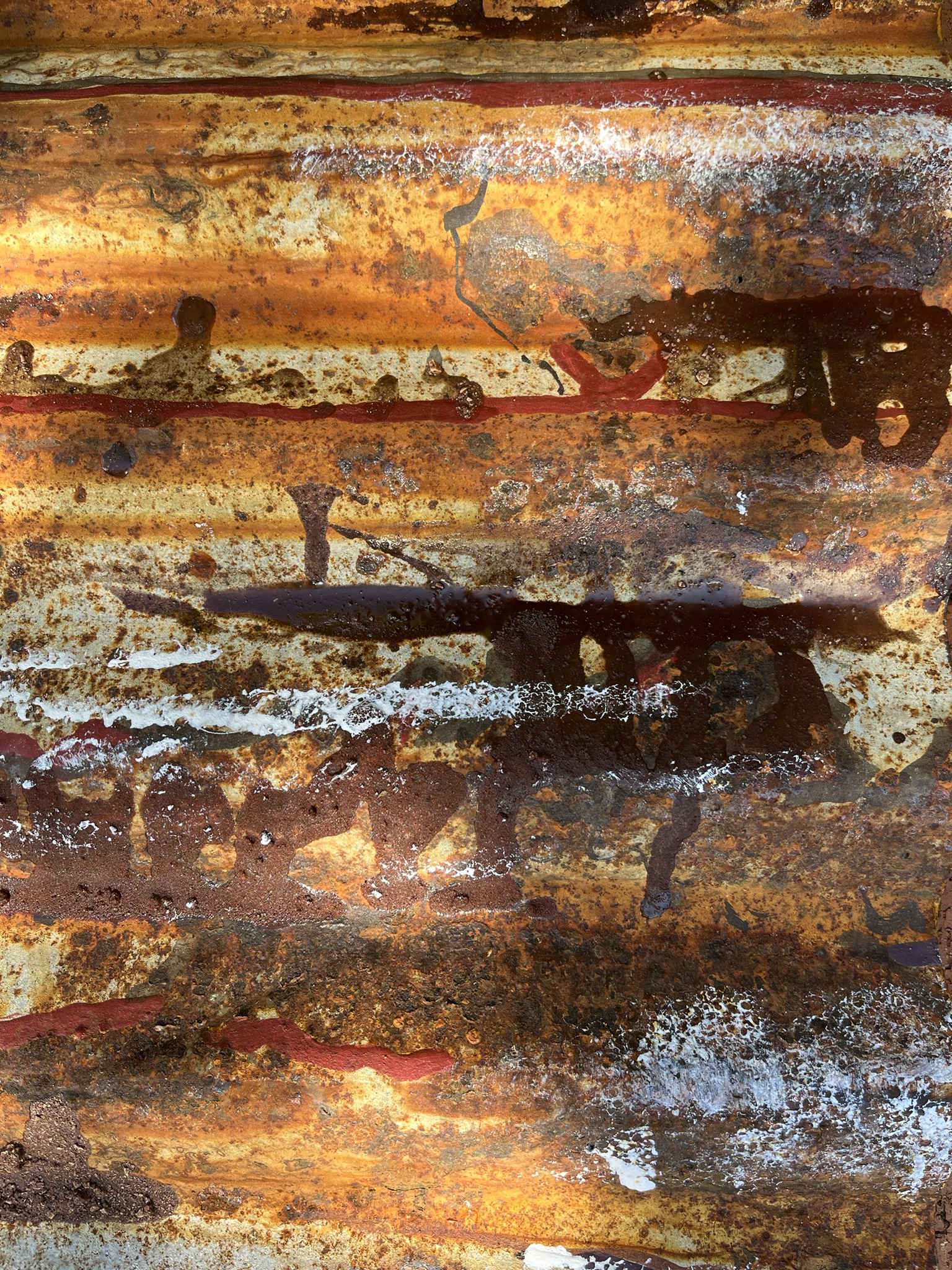


Adventure – the outcome is uncertain, risk is involved, it takes effort, challenge, we can get into the zone/in a state of flow, courage, the journey can be as important as reaching an objective, fear, often we work as a team supporting and inspiring each other, vulnerability, inner strength, creative problem solving, total immersion…. Outdoor adventure and artistic creativity can incorporate all of these. Today we have a team of 12.


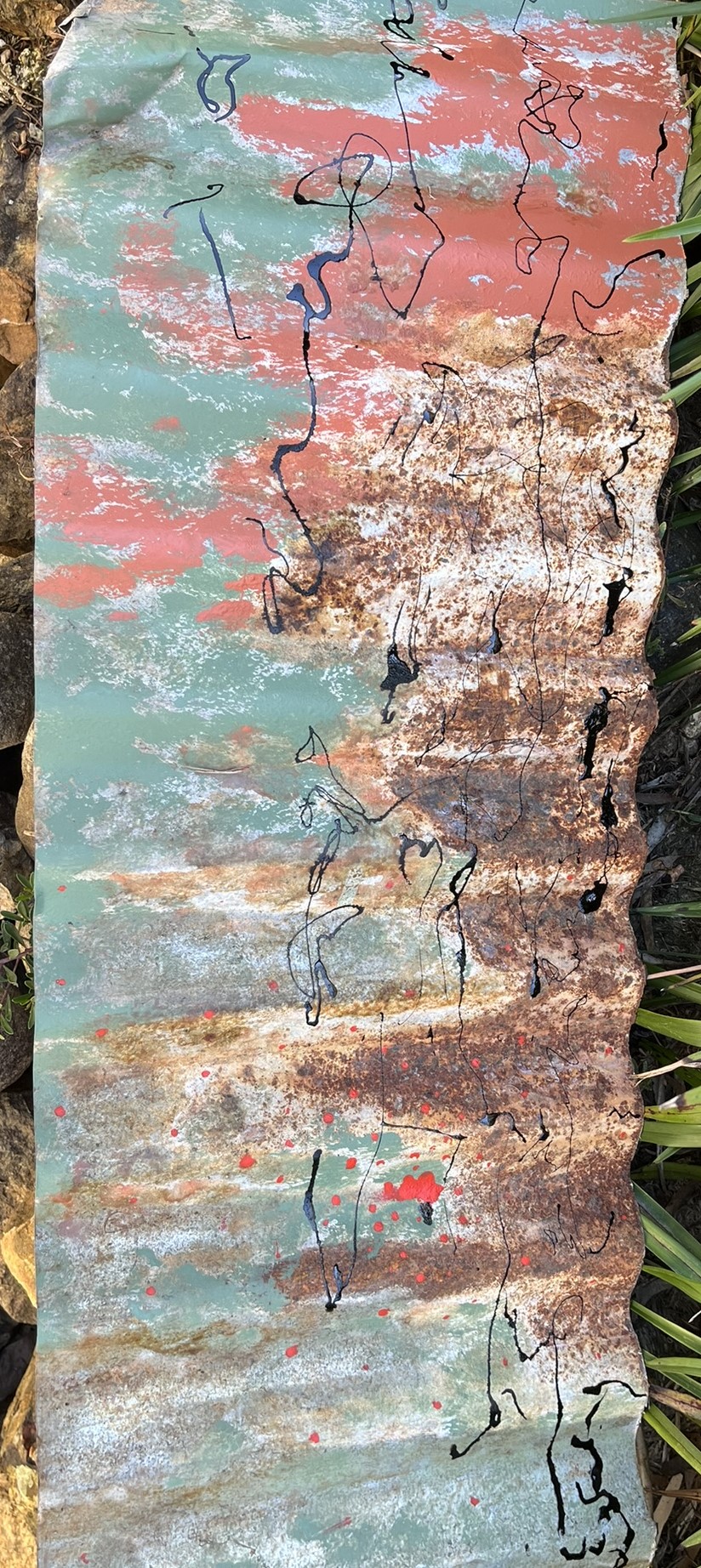
“Forest Moss”
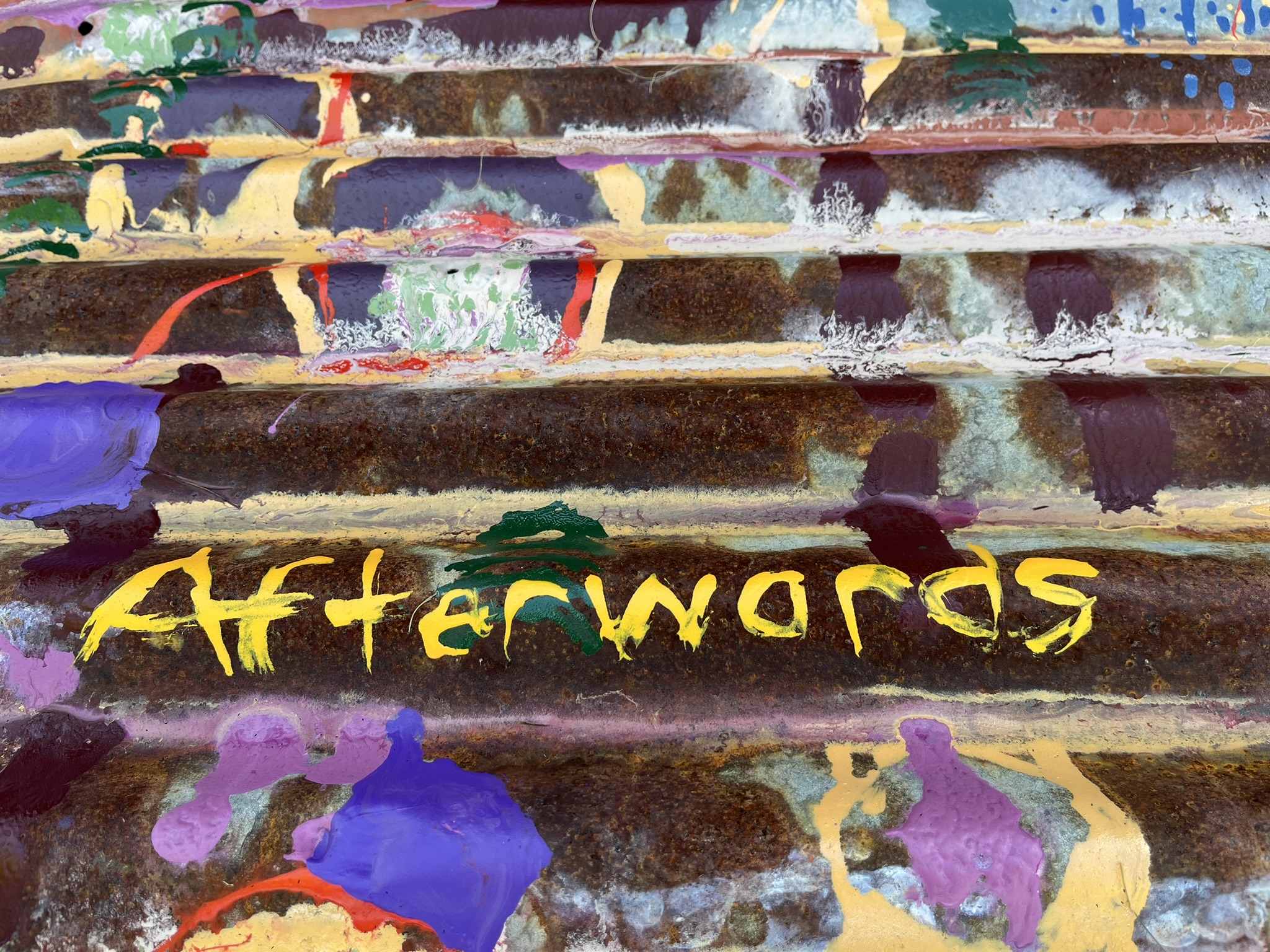


“I have very high anxiety about what we’re doing to the environment; it’s an actual physical pain. After listening to the intro talk about the deep past, and Karajini, and then the Aboriginal peoples, I started to think about the journey from here, and what comes next. Maybe it won’t be like I think, maybe there’ll be something unimaginable, but still full of life, afterwards.” V

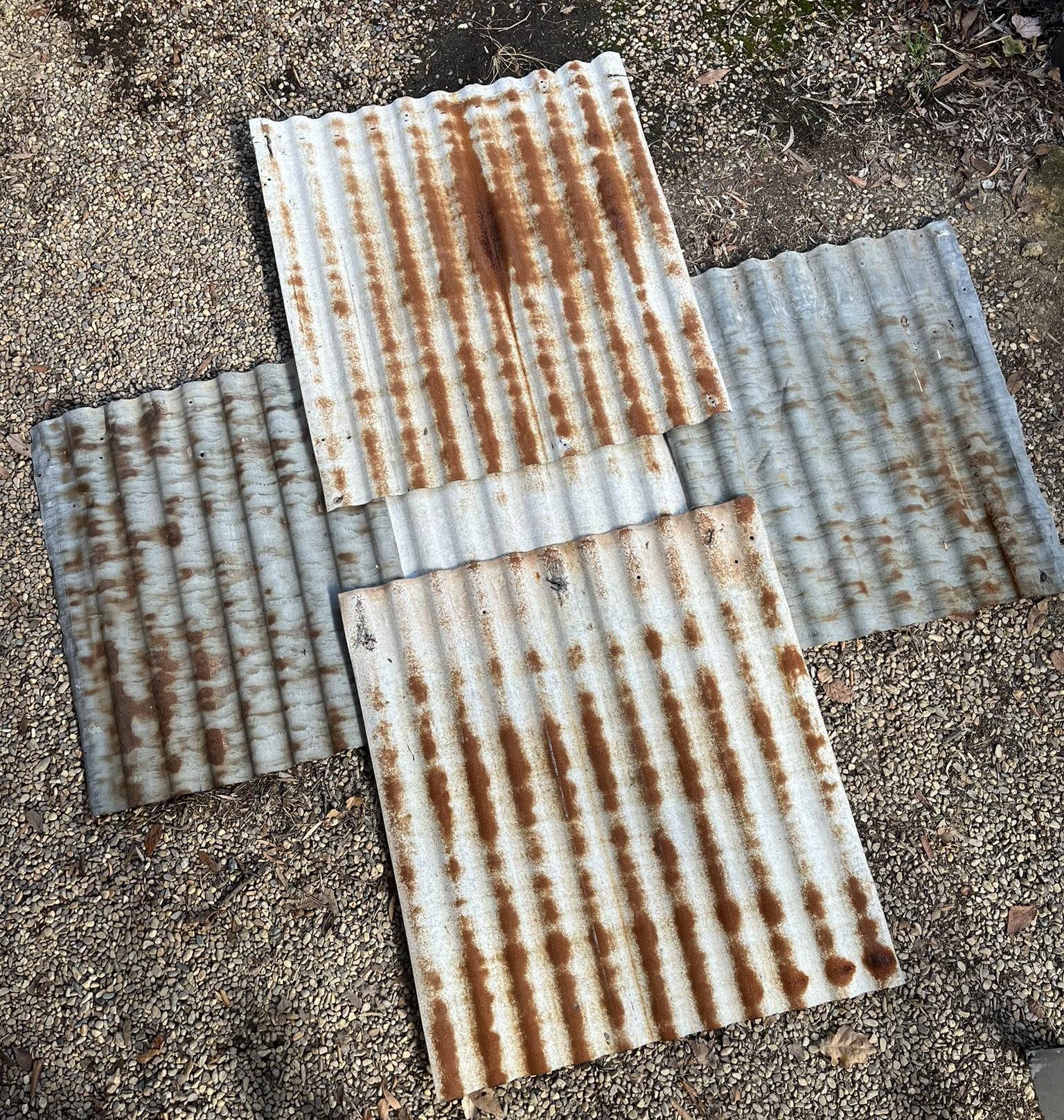
The Intro – deep time, Karajini and rusty corrugated iron
This story percolates way down inside my psyche. It’s so big I can hardly hold onto it all let alone keep myself together trying to explain it.
“The universe came into existence about 13.7 billion years ago. From the swirling stardust Earth formed 4.5 billion years ago. The oldest fossil evidence of life has been found in the Pilbara of Western Australia from 3.5 billion years ago (now thought to be in Canada from around 3,770 million years ago). 2.5 billion years ago a new bacteria proliferated in the oceans that could photosynthesise. This caused a “great oxygenation” of the seawater which led to rusting of iron that was dissolved in the seawater. This rust settled on the ocean floors, was compressed and formed hematite and magnetite and in banded ironstone formations (BIFs). Creeks and rivers eroded the uplifted stone that forms the stunning gorges of the Karajini area.”
My face crumples and I have to pause for the raw emotion of the scale of this story and the connections I feel to subside before I can continue.
“60,000 years ago Aboriginal people live in the area. The Banyjima, Kurrama and Innawonga peoples cared for the country.”
“The Pilbara region is one of the largest iron ore areas of the world. The hematite has been mined since 1965. Some of this has made its way into the making of corrugated iron that has become the iconic building material of rural Australia.”
“When we work artistically with the corrugated iron our creativity can be a key that unlocks our own journey into deep time, our planet’s story and the development of life on earth. If we bring to our “canvas” our own sense of the natural world and country we can try to feel closer empathy with others who have walked this land for millennia. If we exhibit our canvas outside it will continue to evolve and change with the weather as it rusts and can be a reminder of our connections to our story in the cosmos.”
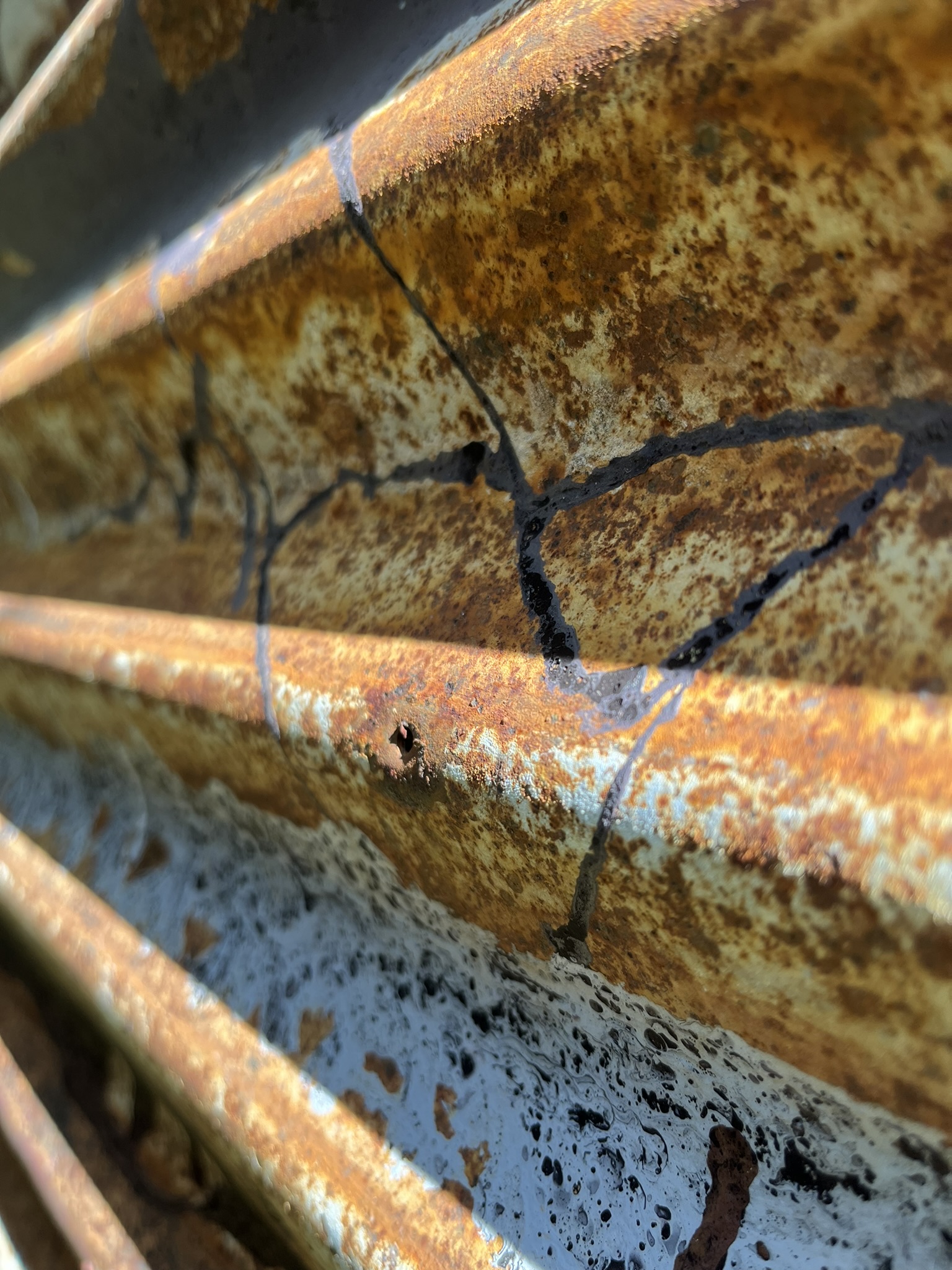
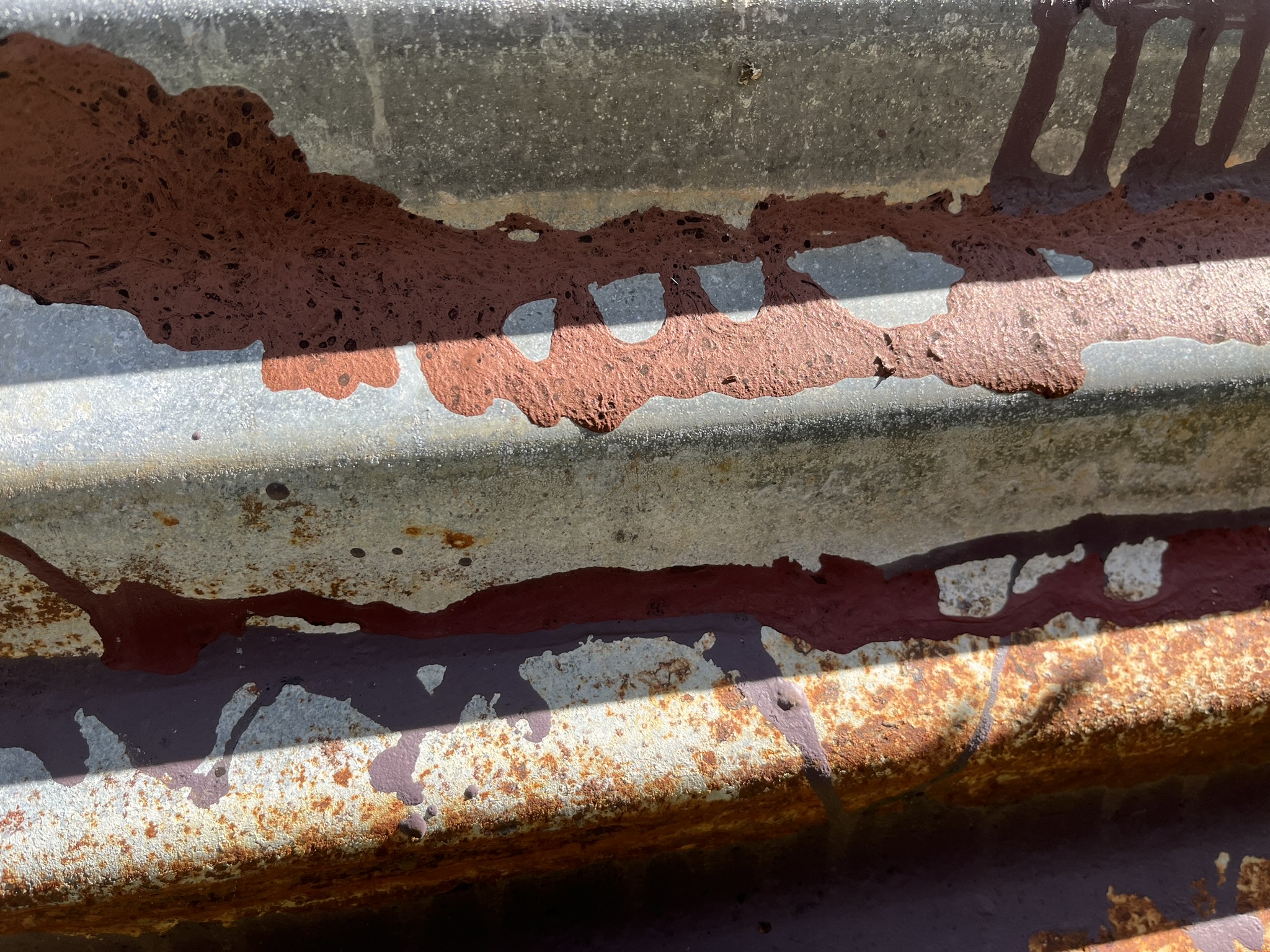
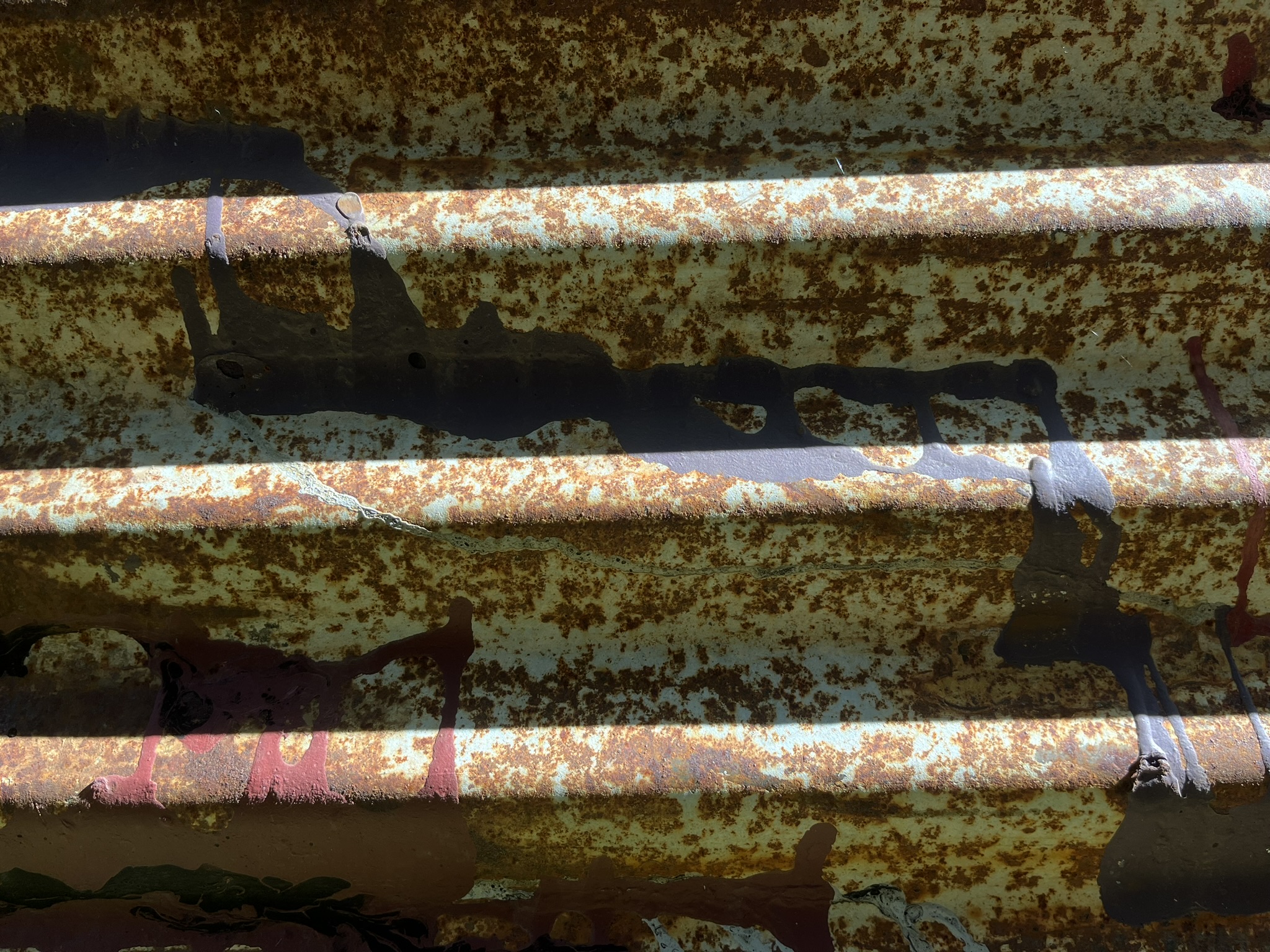
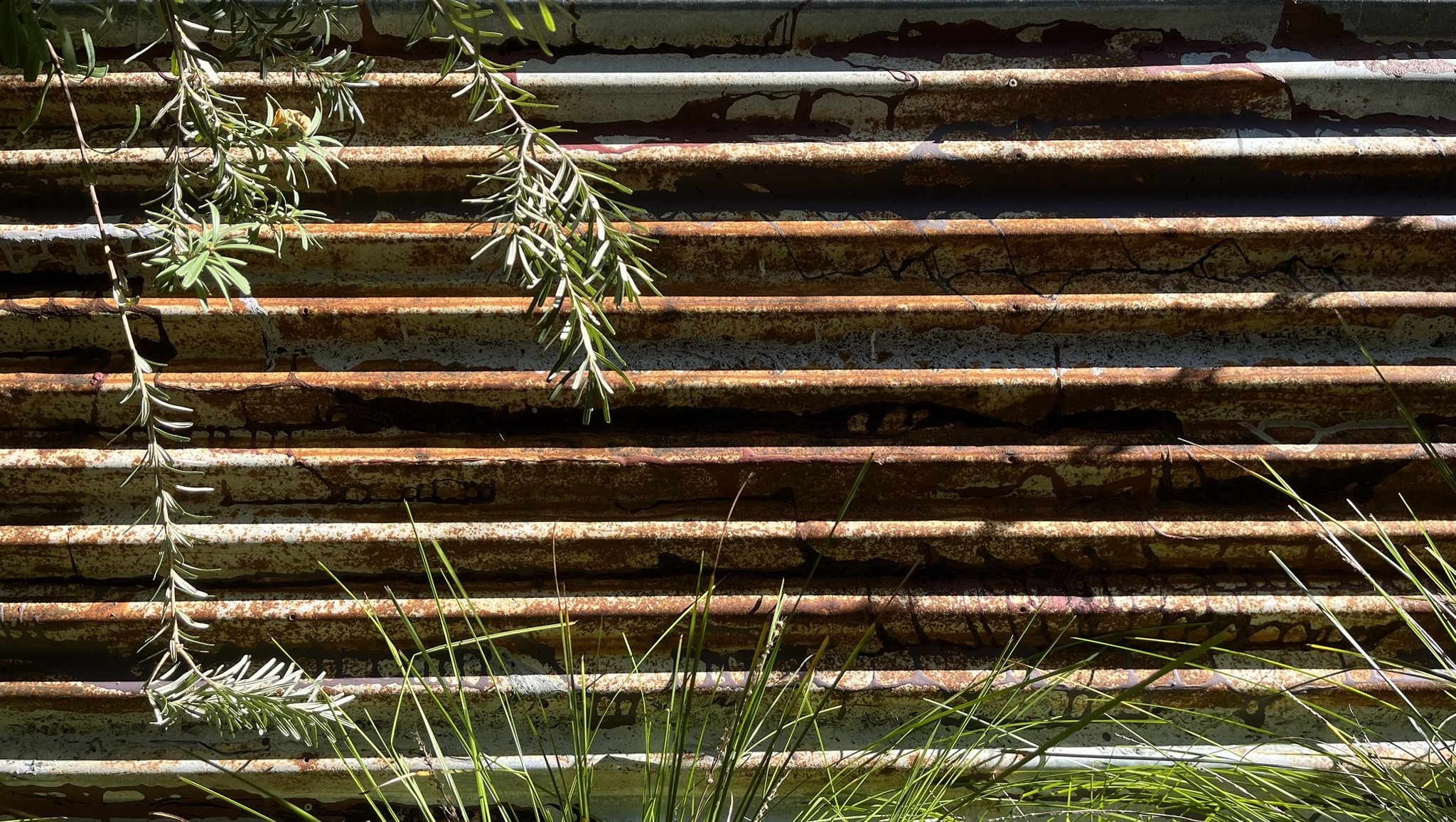
“Karajini”


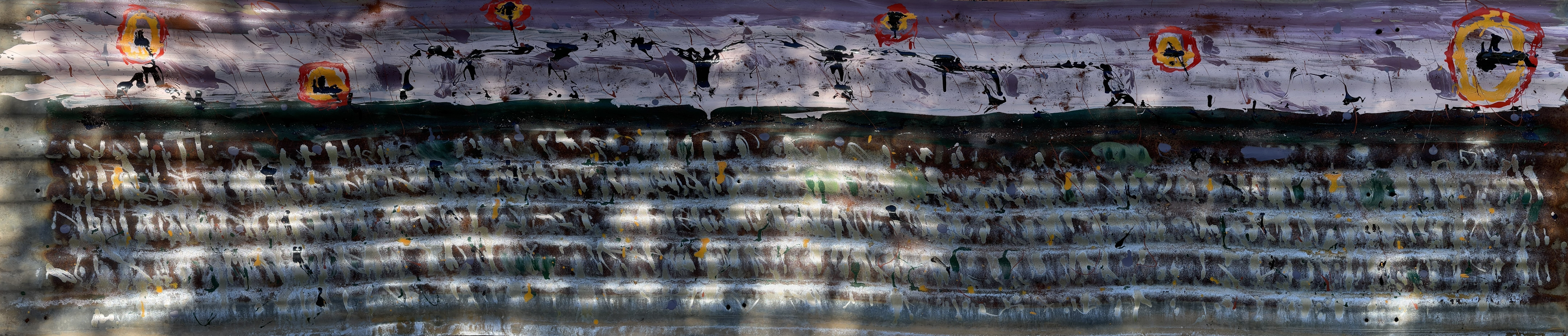
“Kata Juta; symbolic land”
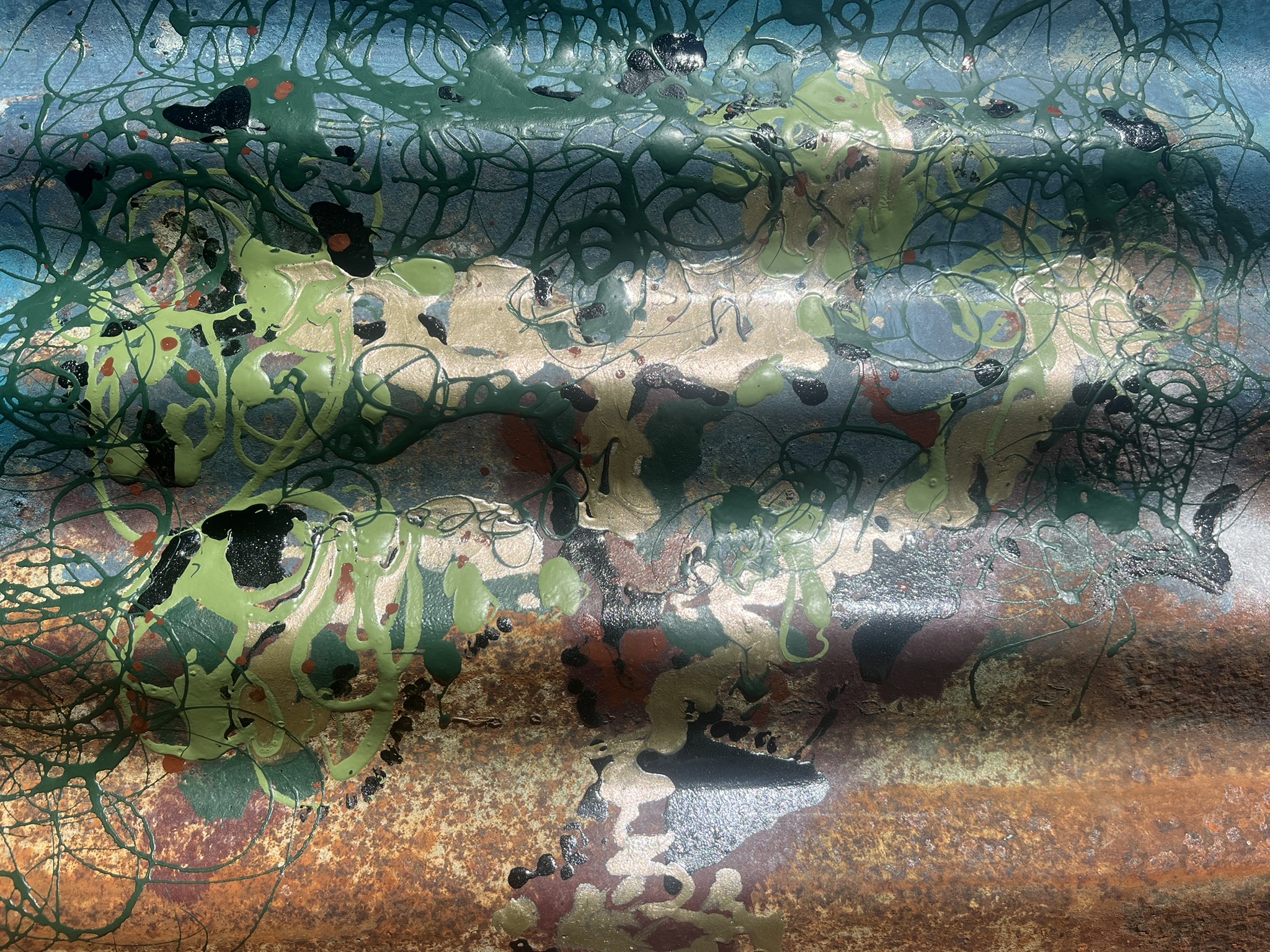

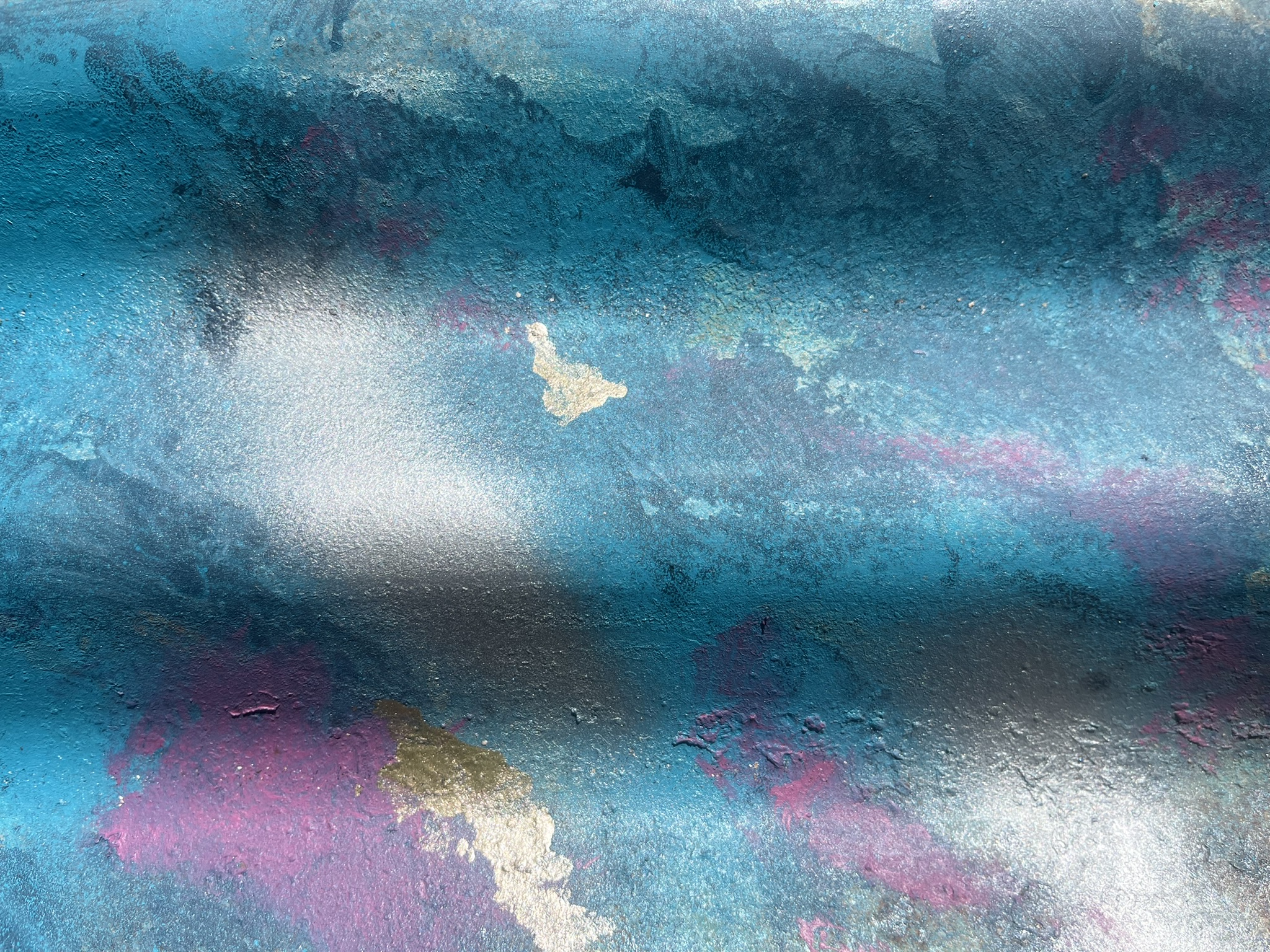


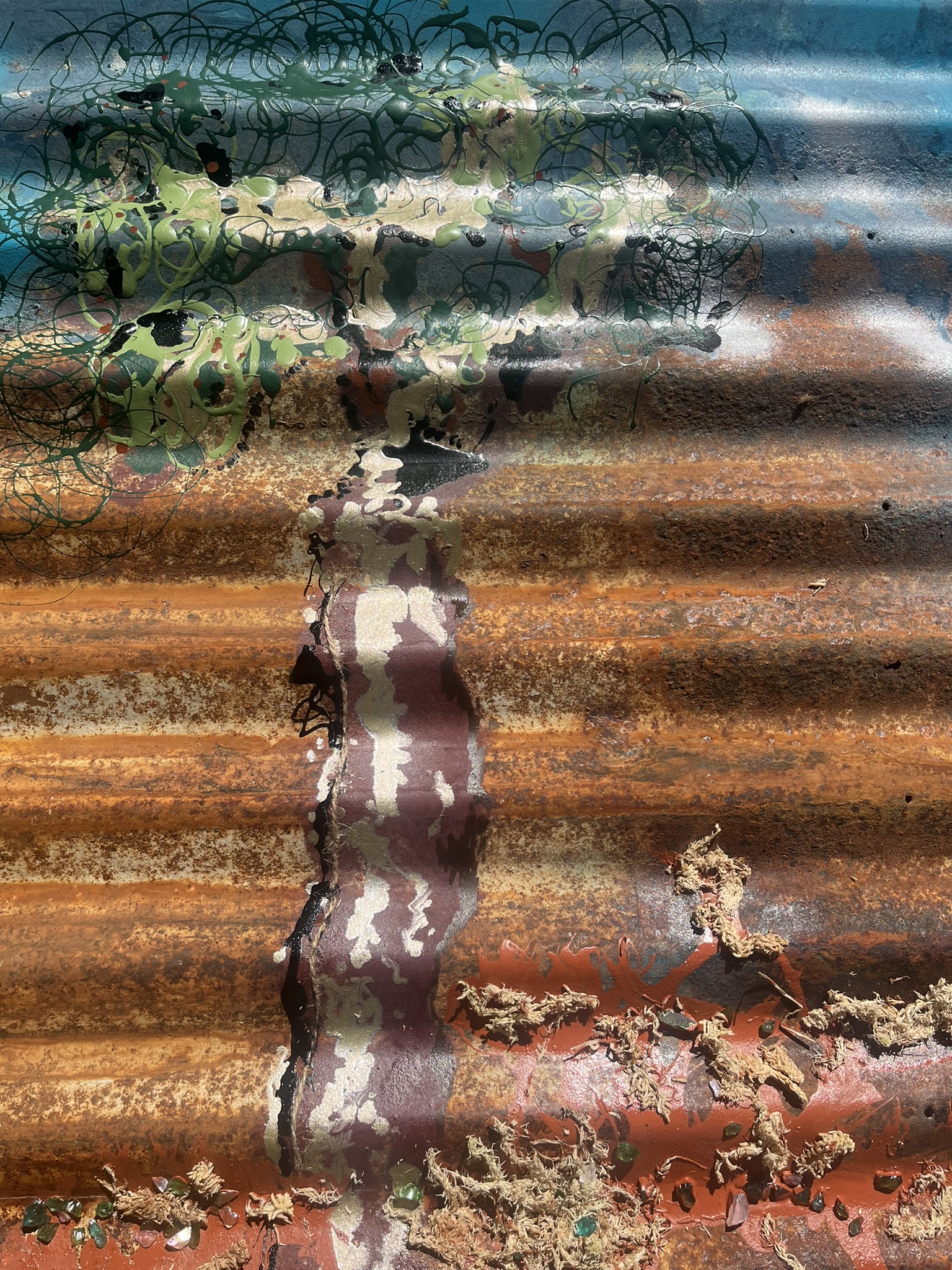

“Hope”


“Untitled”
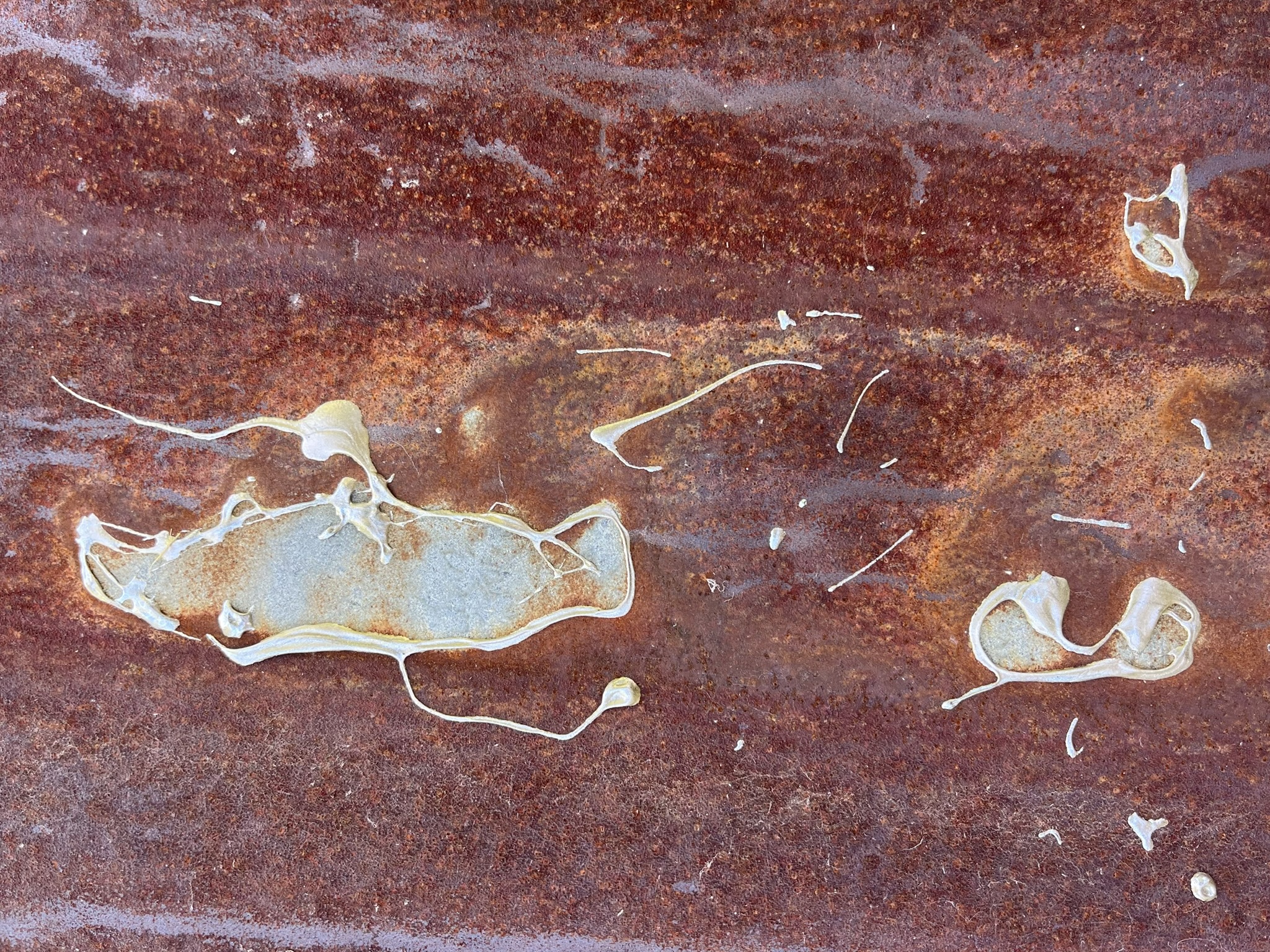
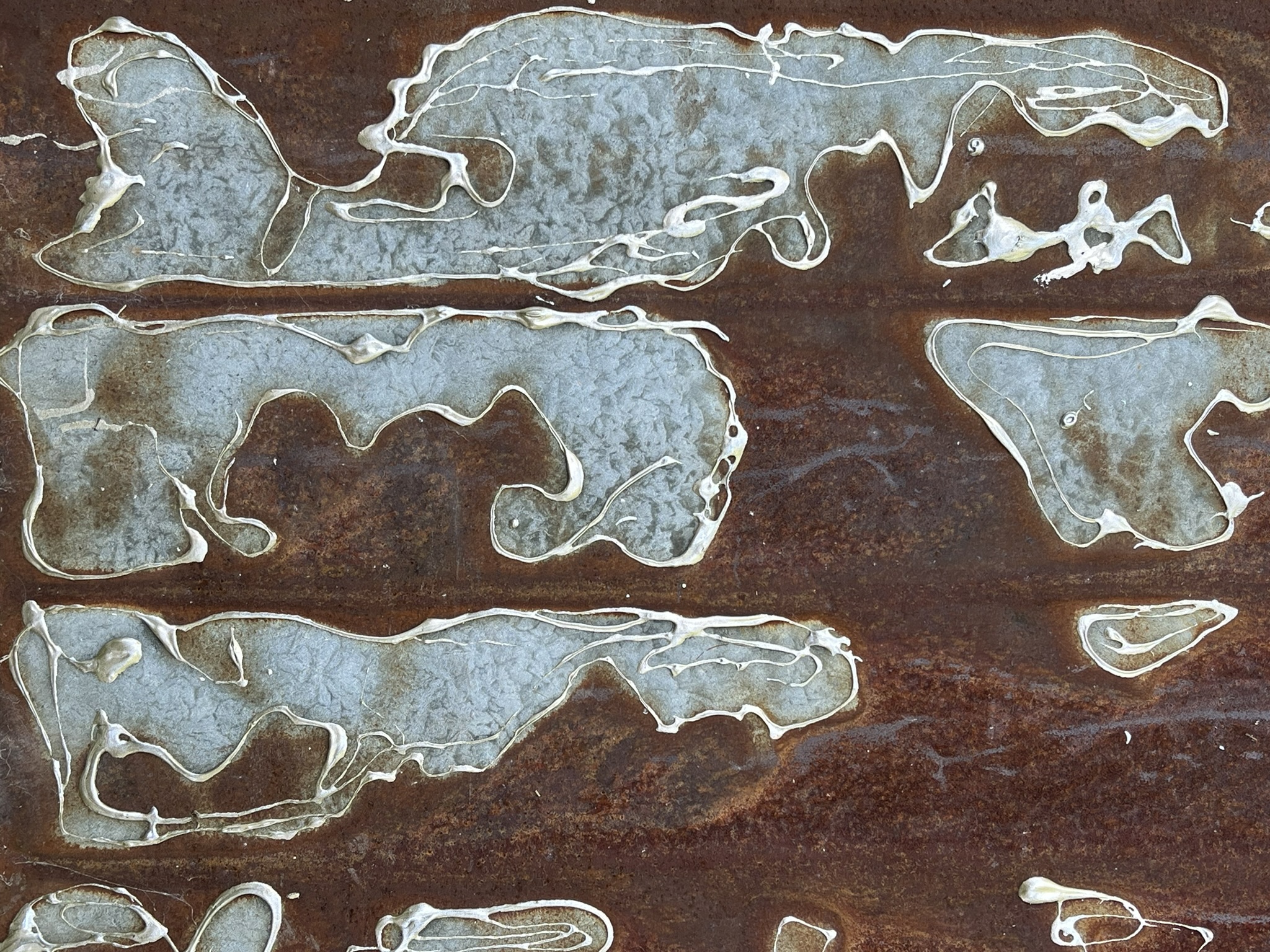
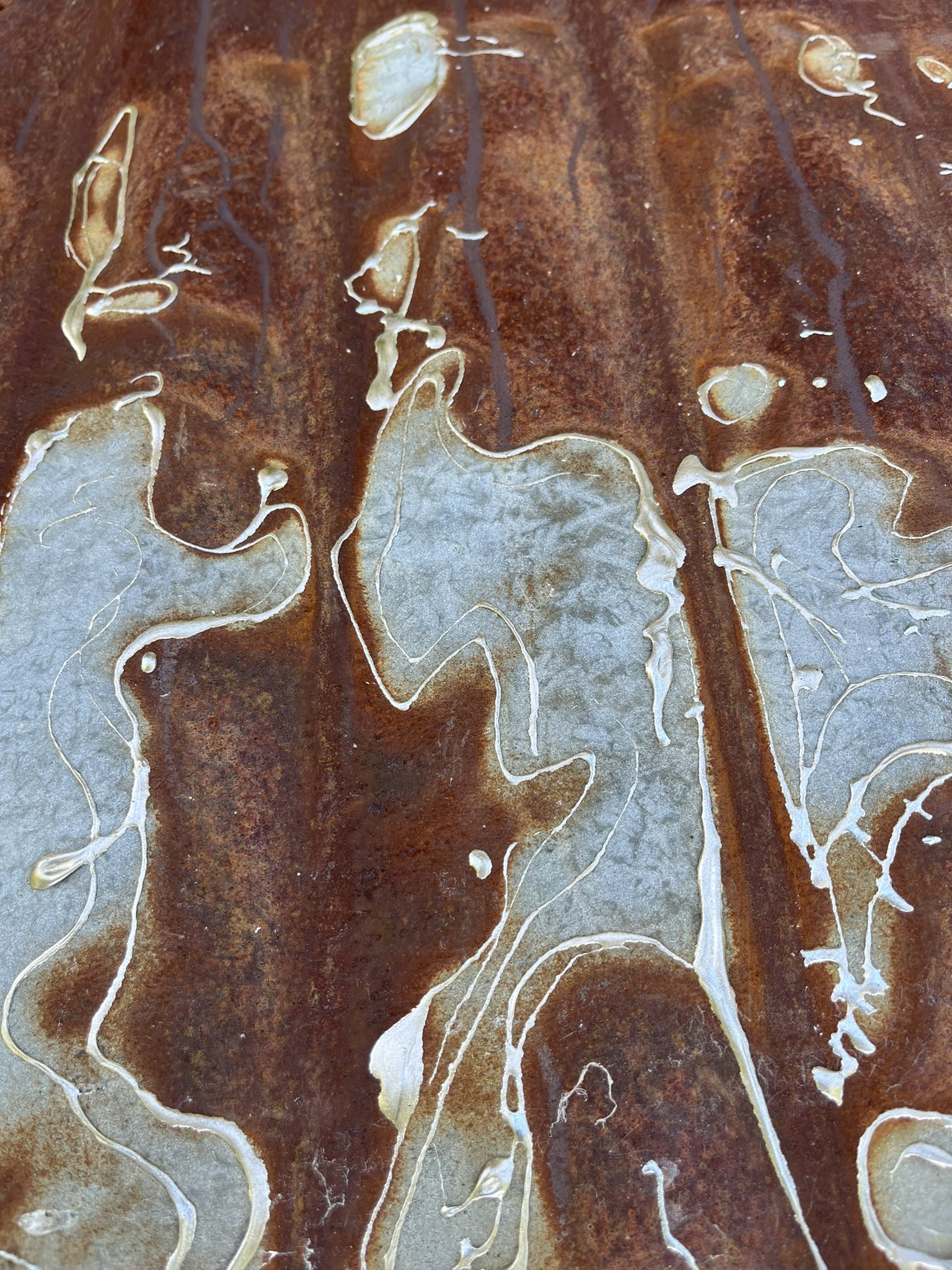

“Looking” “Listening”
“Hoary sunrays”
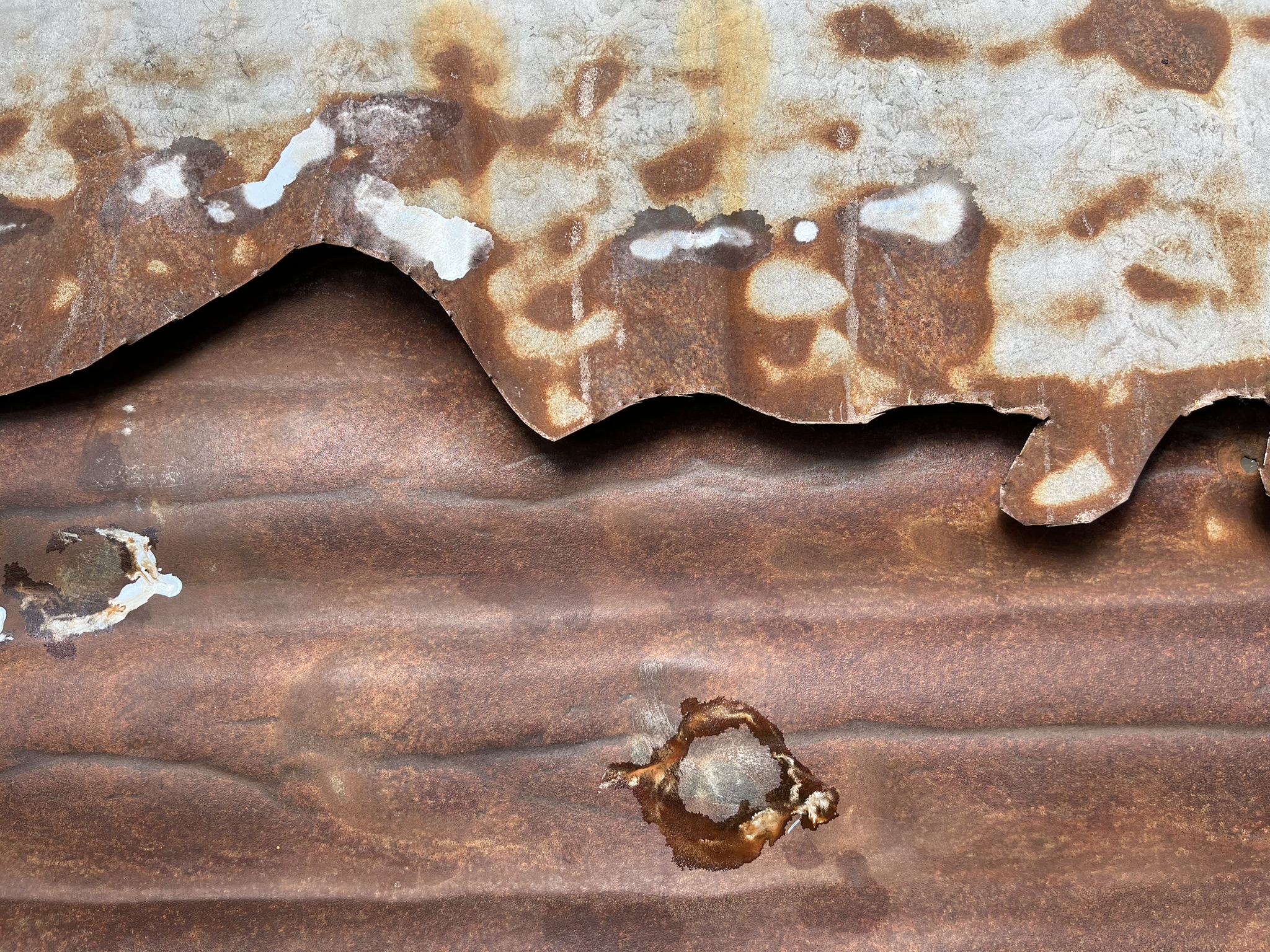
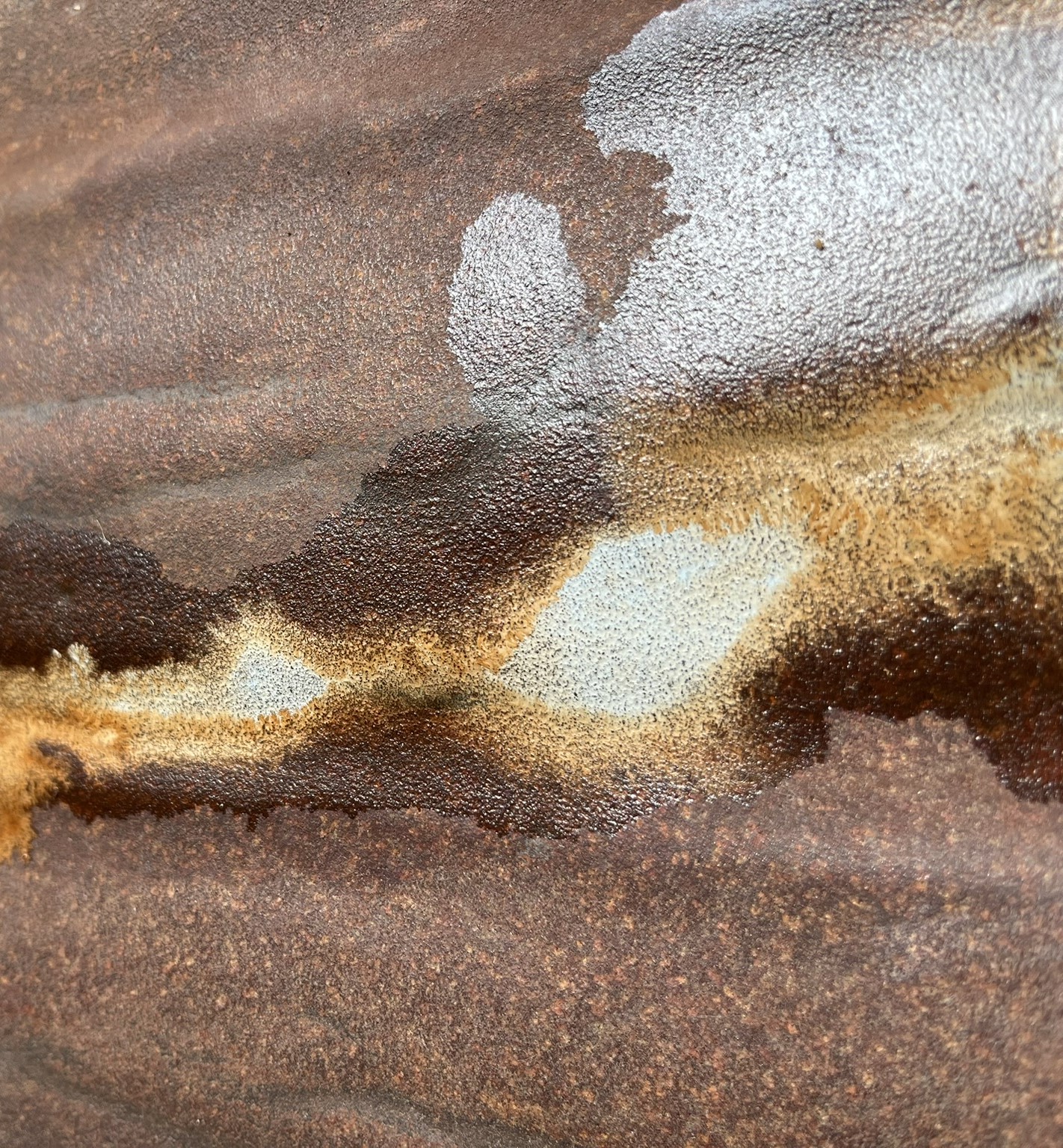


“Overflow”
“I really enjoyed working with my piece of rusted, flattened corrugated iron. The profound introduction at the start of the day encouraged me to look closely at the material and see what it suggested. Thanks to all – it was fun to be in your creative and supportive company.” V


“Corrugated Landscape”
“The patterns in the rust and the rise and fall of the metal remind me of ranges of hills and mountains of central Australia or sand dune expanses when viewed from a plane. The unrusted metal provides a sky at the top of the picture and the sea at the bottom. I added more texture with desert sands plus some white paint to suggest mist shrouded hills. The blue strips are surface drainage forming lakes and billabongs before reaching the red coastline. I tried not to cover the original rust patterns which were my inspiration. I like how the rusted and weathered appearance of the tin reflects the ancient landscapes that exist in outback Australia.” L
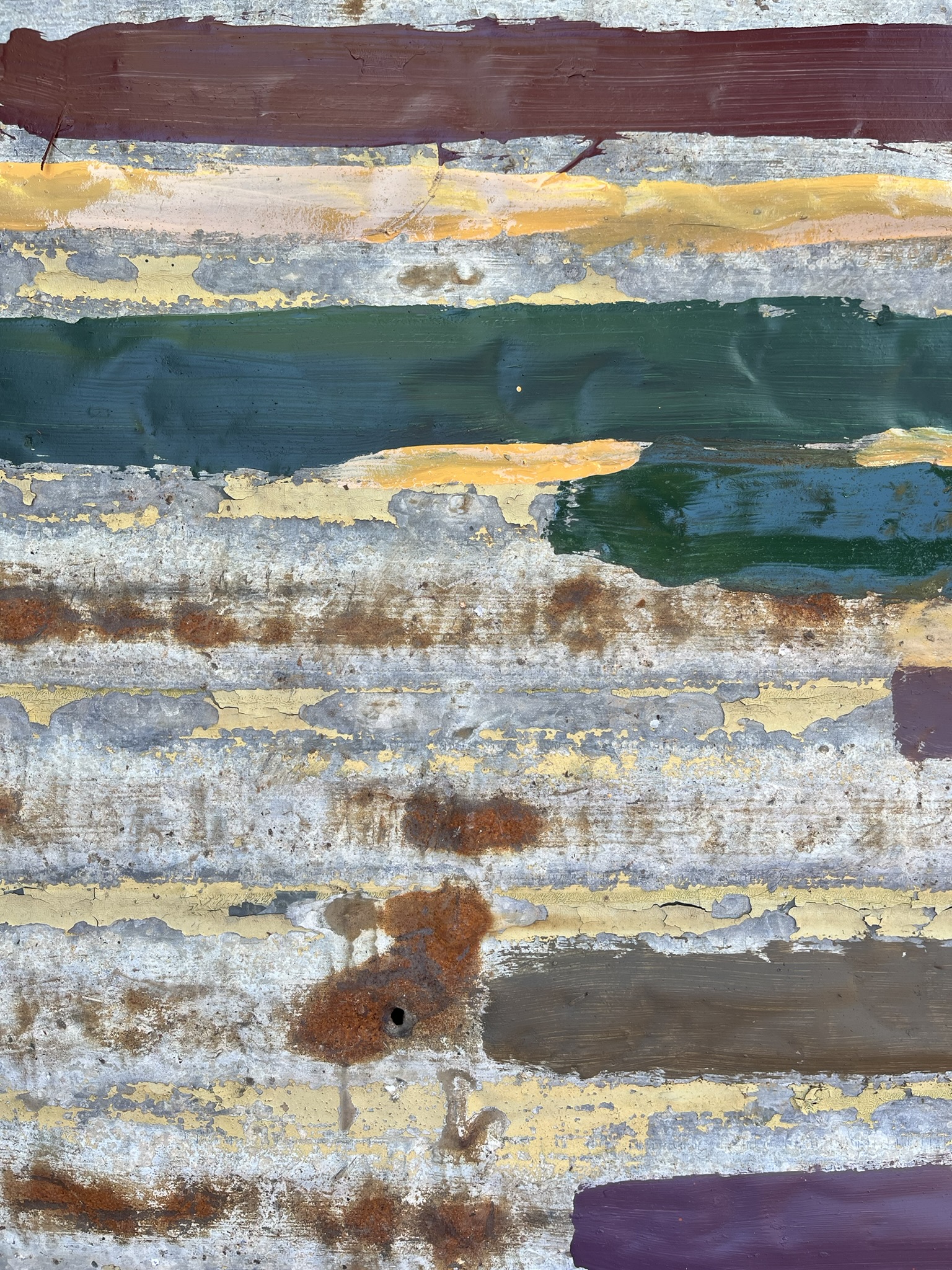


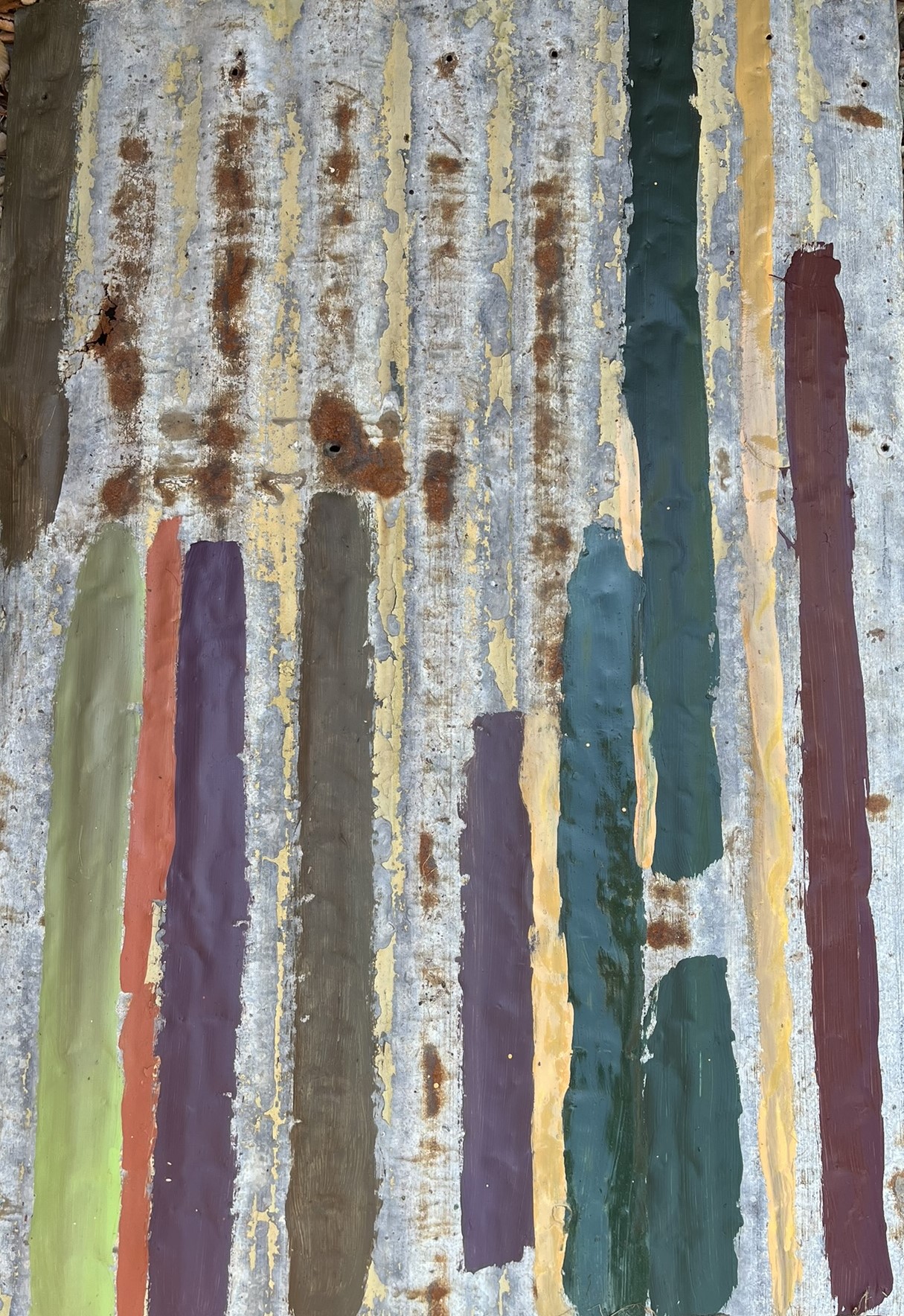
“Rust on the wattle”


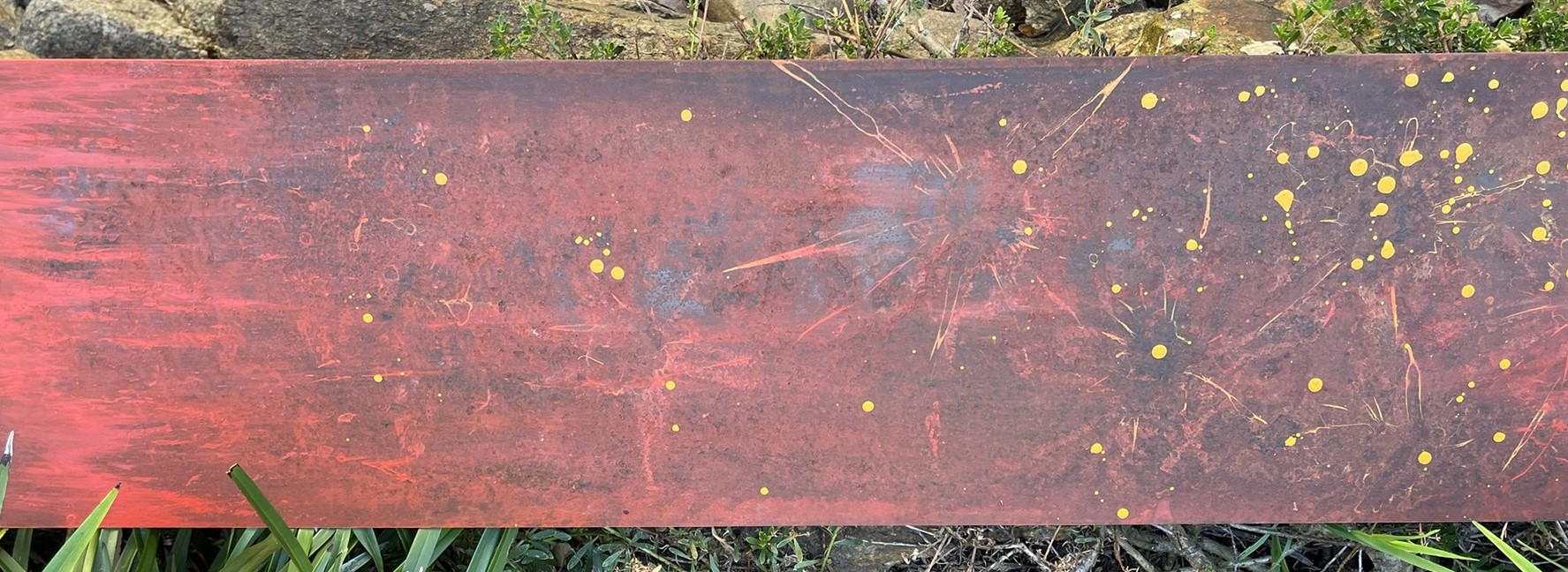
“Sky Heat”
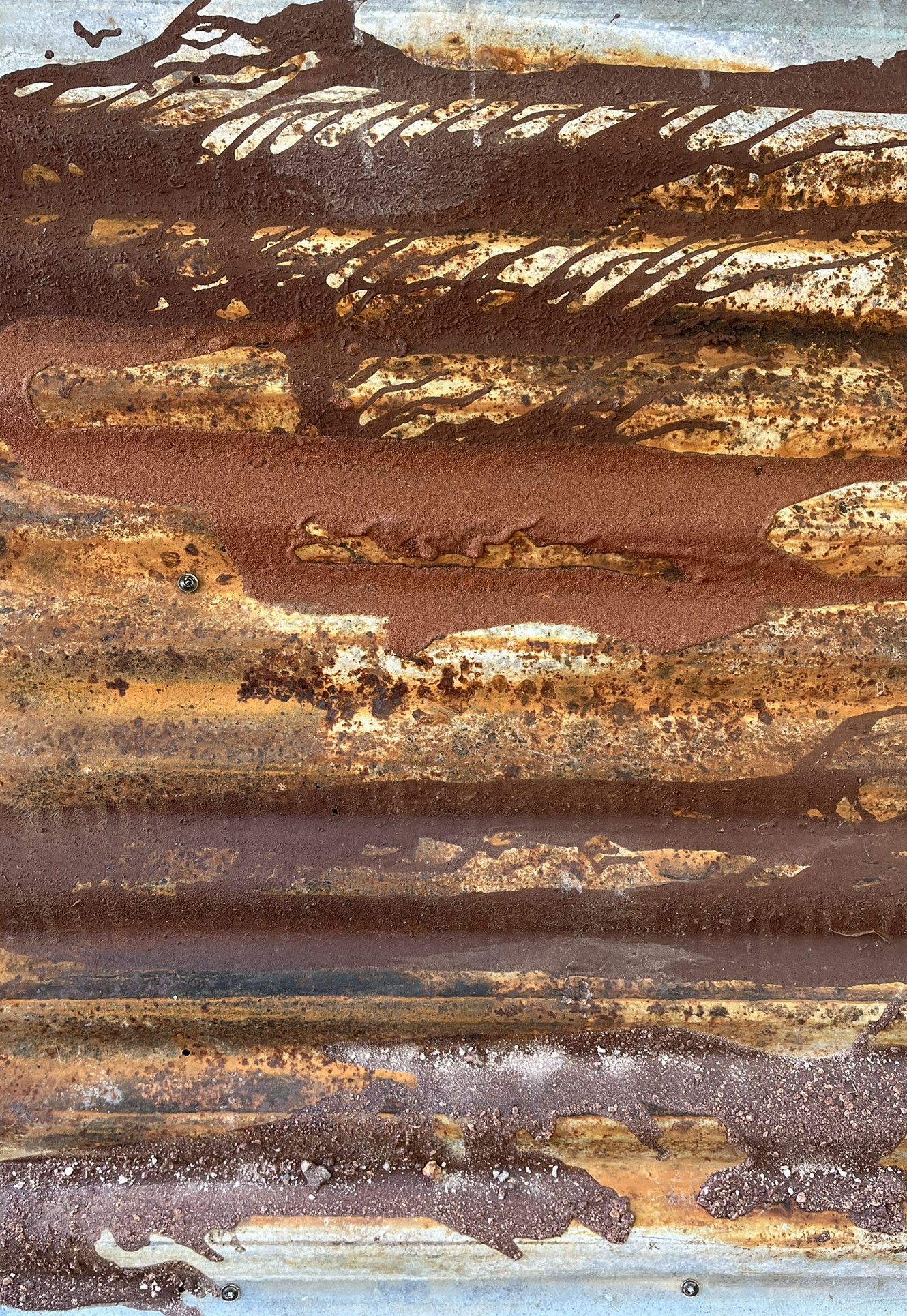
“Corrugations – Painted Desert, Pilbara, Simpson Desert, Sturt Stoney Desert”


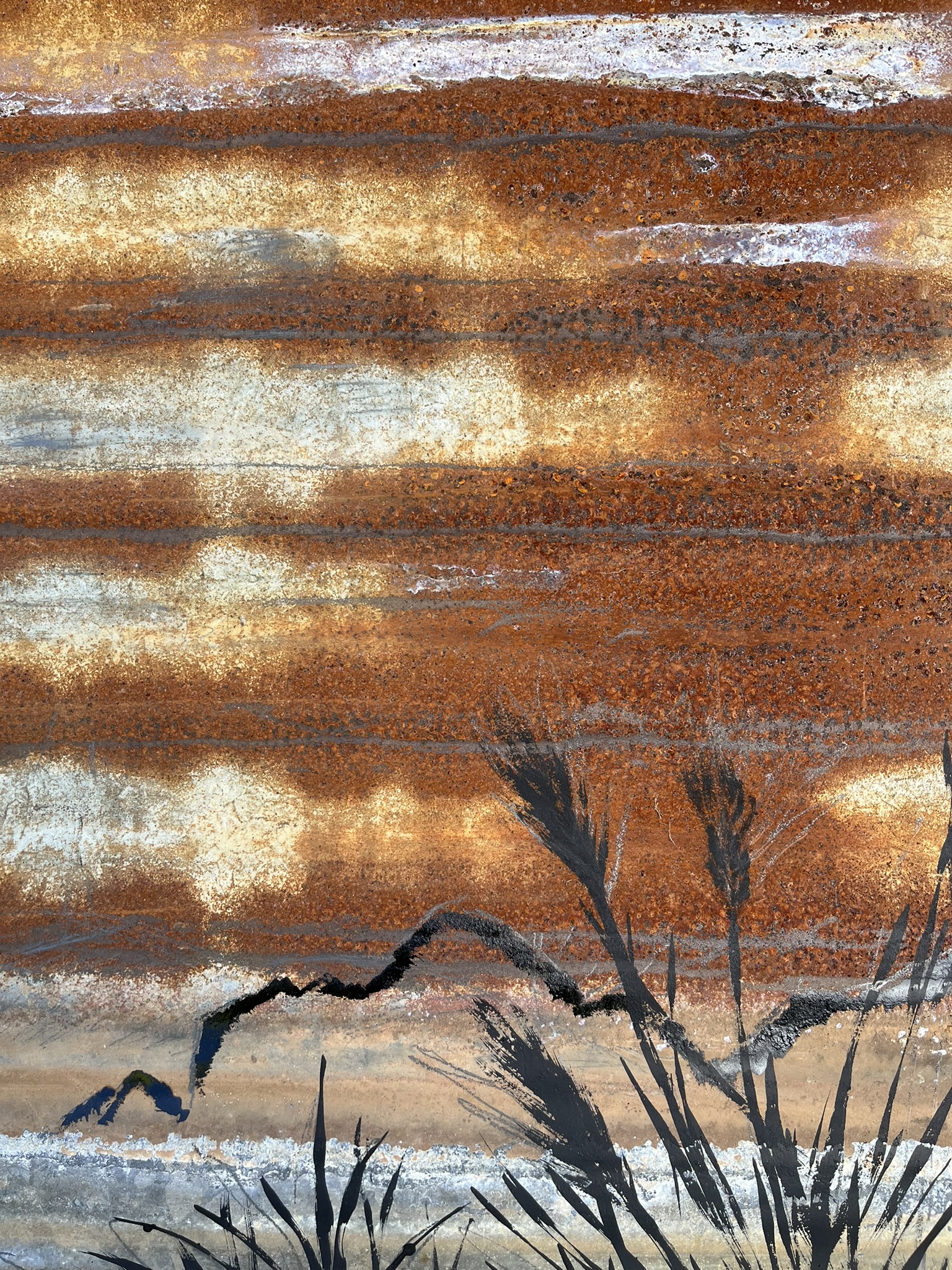

“Dawn Silhouettes”
“I have this thing for silhouetted trees at sunrise or sunset. They are the subject of hundreds of my photos and many other art works. The colour and distribution of rust on this metal panel demanded another silhouetted tree! The lighter band of metal at the bottom with much less rust suggested water reflecting a coloured sky and so the picture developed.
To me it represents a lake scene in the early morning with rising mist obscuring the sun but reflecting its brilliant yellow and orange light.” L


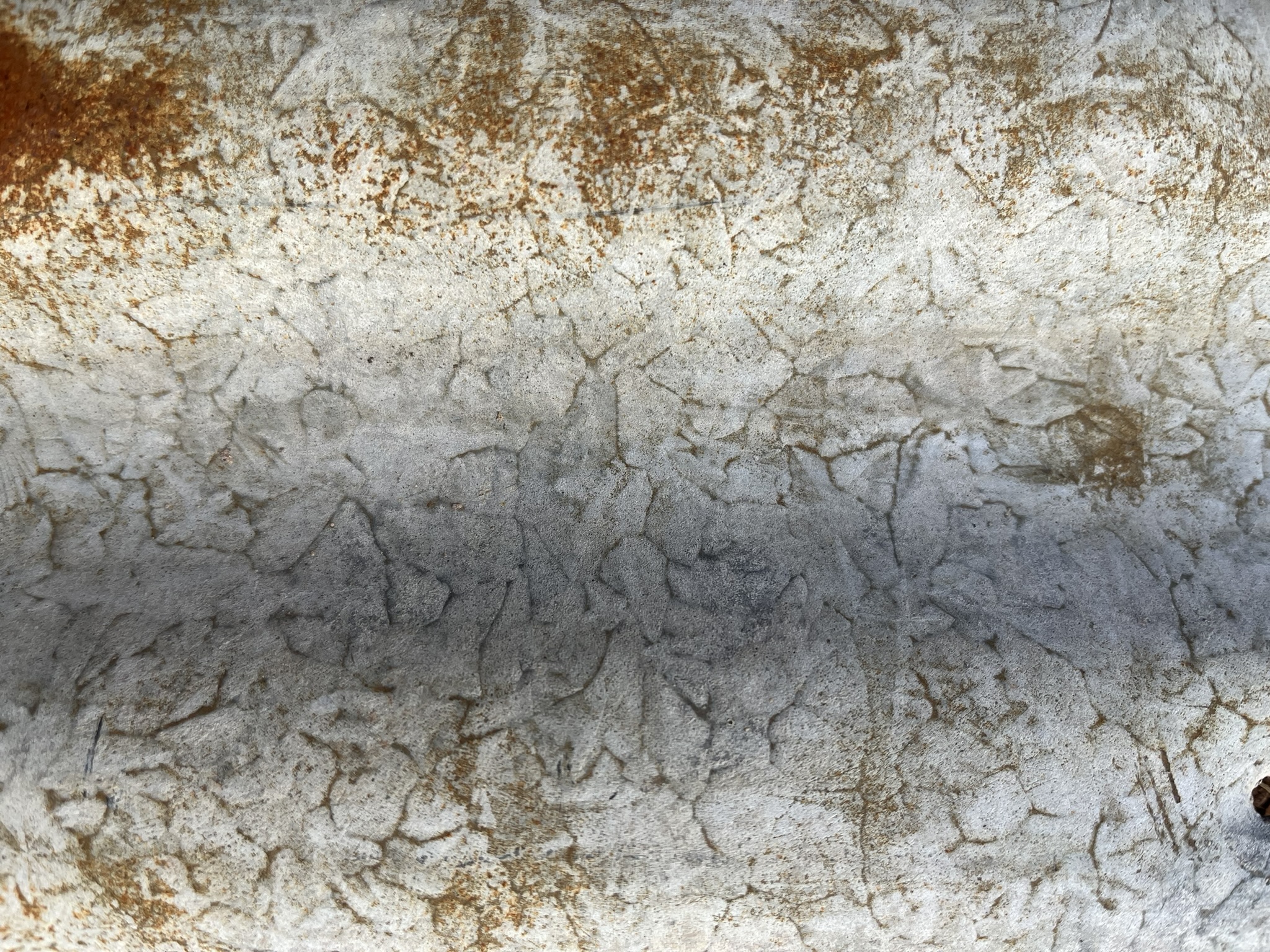
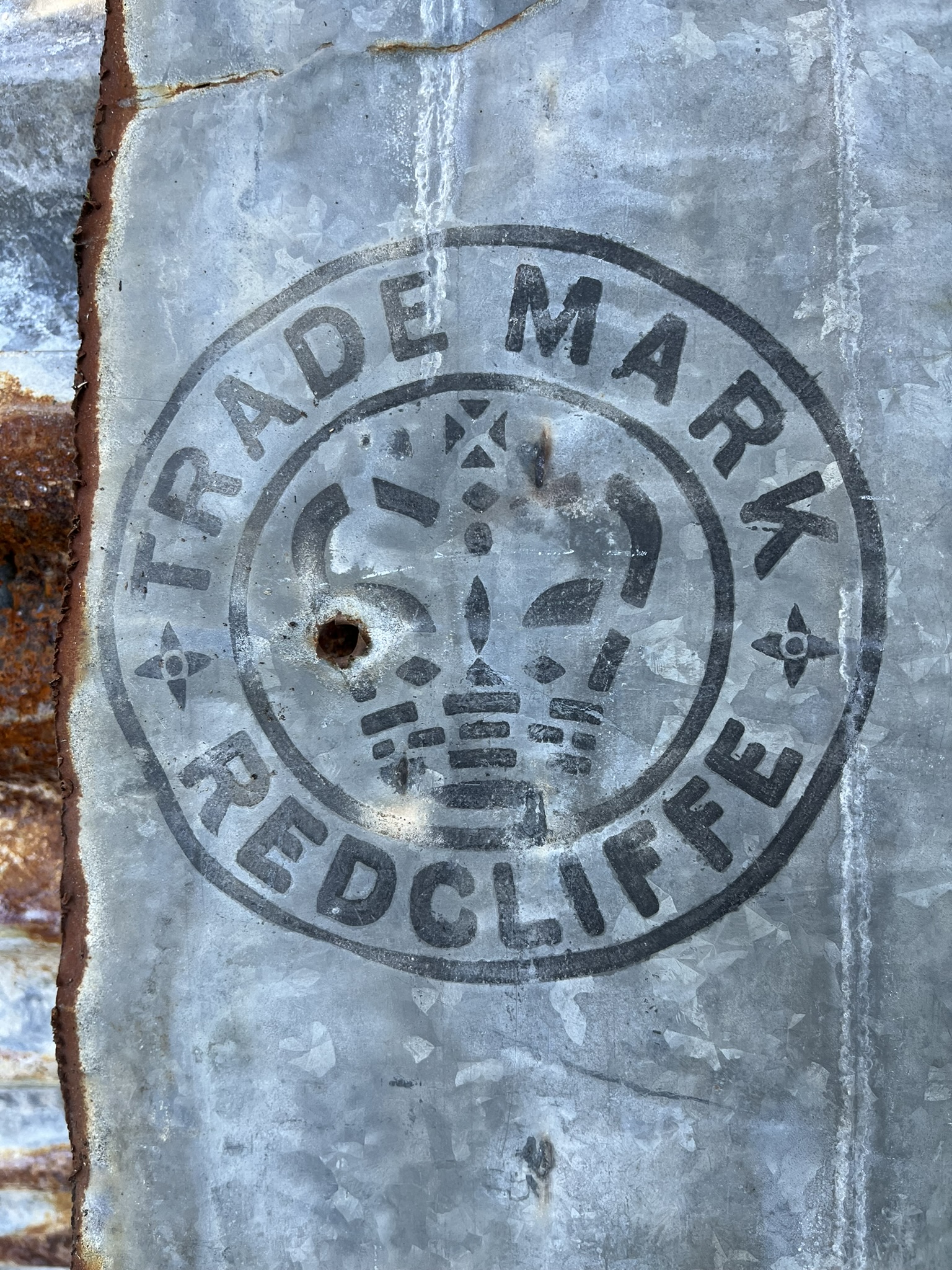
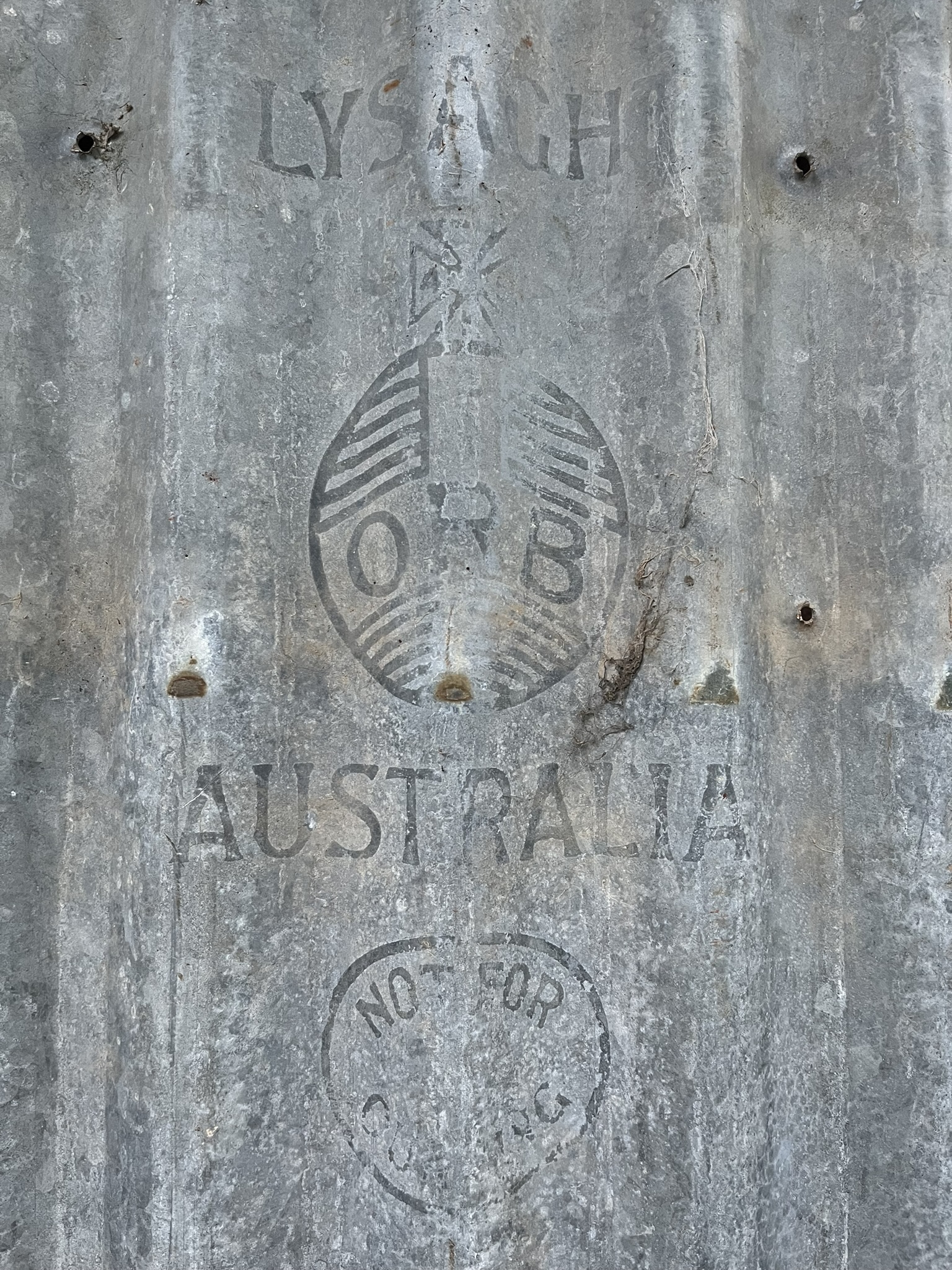
Redcliffe Crown trademark 1905-7 Lysaght ORB trademark 1965-67

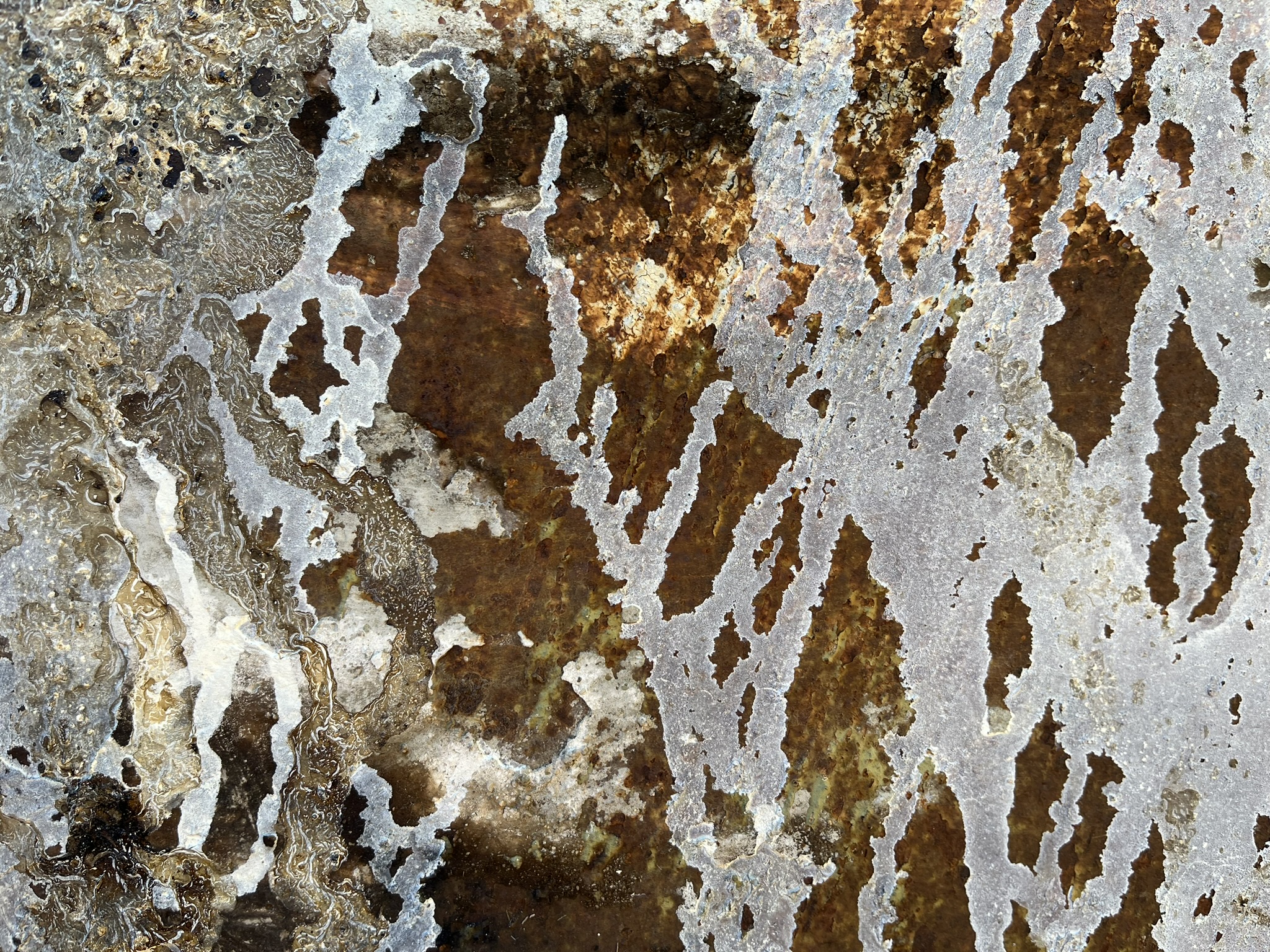


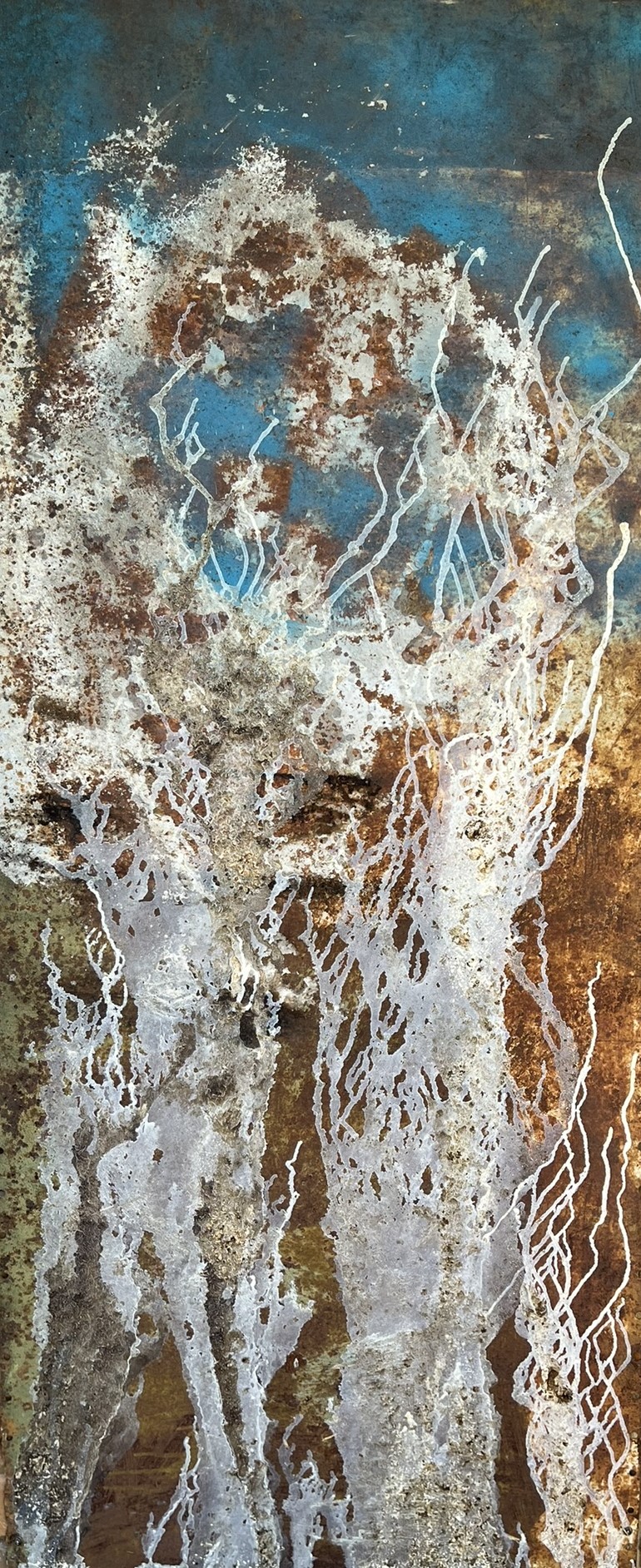
“Fragile Earth – being held safe by mystical hands from the cosmos”



 52adventuresblog